

By Harvey Bennett
Flexibility has become one of the defining features of modern working life. We have more freedom over where and when we work than previous generations, but that freedom also comes with a new responsibility: making the working day work.
And sometimes, it simply doesn't.
There are days when working from home is exactly what you need. There are others when the kitchen table becomes distracting, the house feels too quiet, or you have spent enough time looking at the same four walls. You might have an appointment in the middle of the afternoon, a meeting on the other side of town, or plans later that make travelling into an office for the whole day feel unnecessary.
These are small problems, but they add up. And increasingly, we are having to solve them ourselves.
The appeal of flexibility is that it should make these situations easier, not create another layer of organisation. You should be able to change your plans without having to rethink where you can work, whether you have somewhere suitable to take a call, or how you are going to get a few productive hours into an otherwise scattered day.
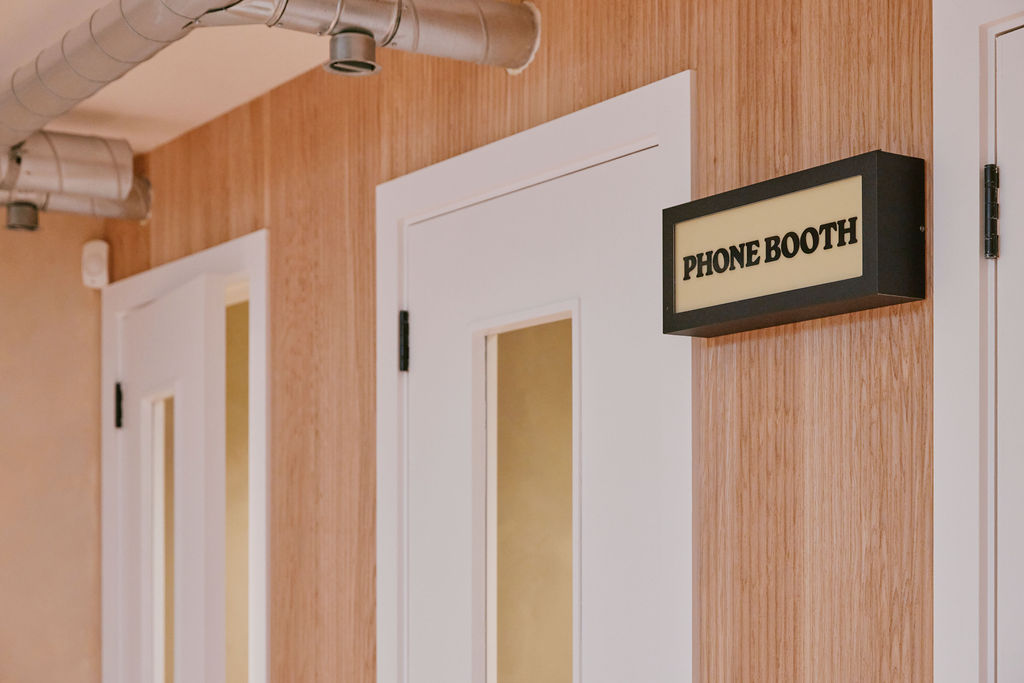
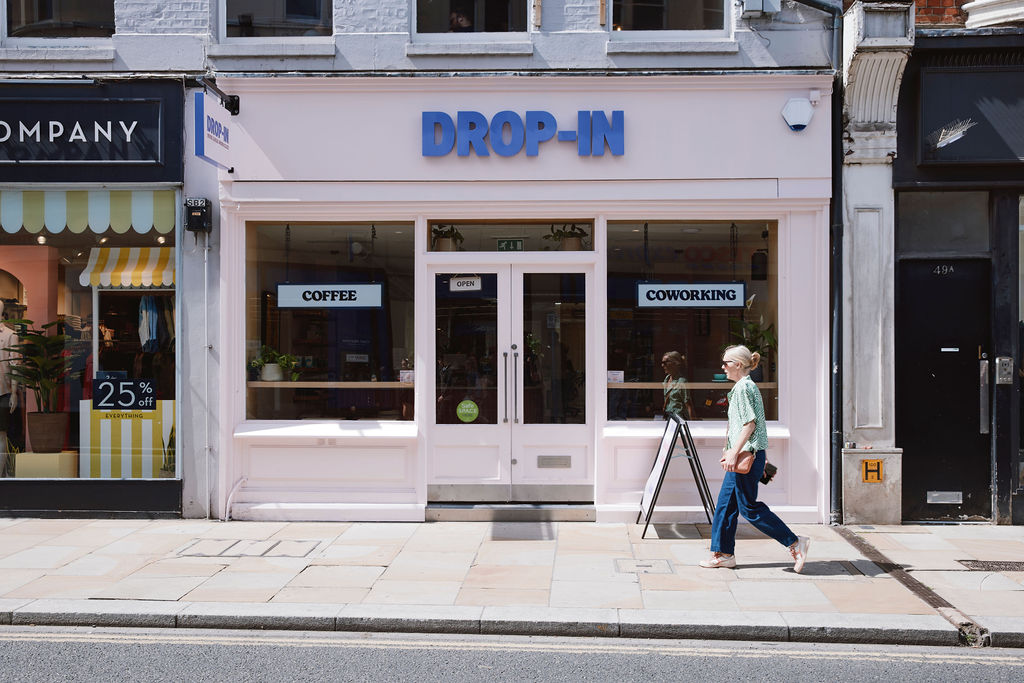
This is part of what sits behind the idea of Drop-in. Having somewhere familiar and dependable available when you need it can take a surprising amount of friction out of everyday life.
It also means that work does not have to dictate the shape of your day. You can work around the school run, the dentist, the train, the gym, dinner with a friend, or simply the fact that you fancy working somewhere different for a few hours.
That is what flexibility should feel like: not having to plan your life around work quite so much.
The working day is rarely predictable. It makes sense for where we work to be a little more accommodating.

